Hardly Working?
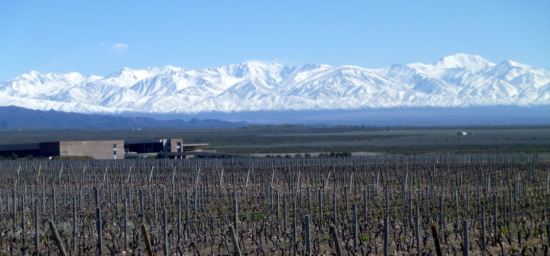
The afternoon and evening session moved out of the conference center and into the wineries, so that international participants could take in the landscape, marvel at the wonderful winery architecture, appreciate the warm hospitality, sample the many winery experiences, and of course enjoy food and wine as any wine tourist would.
Does this sound like hard work? Very few of our friends feel sorry for us when we post about these experiences on Facebook, but it really is work because Sue and I are always observing and analyzing both what the wineries do (and how they do it) and the reaction from their guests.


A reception at Bodega Séptima, for example, showed off its striking architecture and invited guests out to the big patio to stare at the moon and stars through telescopes while sipping wine. Wine tourism and astrological tourism combined.
A visit to Bodega Norton featured an opportunity to ride bicycles through the vineyards followed by a late lunch and then a chance to paint with wine (I saw a rabbit in the vineyard, so that was my artistic contribution). Norton’s program stresses active involvement, which is always more engaging than passive participation.


The Missing Link?
Sue and I enjoyed these experiences, but we noticed that something was often missing. The wineries worked very hard to show off their delightful wine tourist offerings, but they missed many opportunities to tell their stories and reinforce their brands. Perhaps this was by design because of the special character of the UNWTO audience, but it seems to me that it is always important to tell your story and build your brand.
Two of the most effective wine tourism programs we have experienced are Larkmead Vineyards in Napa Valley and Sandeman in Porto. The two wineries differ in almost every way but this: there is a clear story, which is told in several ways, and everyone you meet tells the same essential story, reinforcing the message.
A goal might be for each winery visitor to encounter the defining story three times in three different ways during a visit and to be able to share it with friends. You might call it the “Tommy” tactic (after the rock opera composed by The Who). See me, feel me, touch me, heal me. Stimulate all the visitors’ senses and touch them in a way they won’t soon forget.
The Next Step?
Perhaps this is the next step that Gabriel Fidel hinted at in his conference presentation, which encouraged the Mendoza wine tourist industry as well as the rest of us to think beyond the current focus on creating experiences. The facilities in Mendoza are world class and the experiences, including food pairing sessions, vineyard walks and rides (on both bikes and horses), and so forth are great, too.
All the pieces are here in Mendoza. Now the wineries and local wine tourism officials need to steal a tune from Tommy so that they all come together with the defining stories of the wineries and the region to create an total experience that resonates with visitors from around the world.